Manufacturing Process
The process begins with the careful selection of magnetic materials. The most common options are ferrite magnets and neodymium magnets. They excel at capturing even the smallest ferrous particles, but they are more sensitive to high heat and corrosion if not properly coated.
Once the magnets are chosen, they are arranged in specific patterns inside the plate. This arrangement ensures maximum surface coverage and creates a uniform magnetic field across the plate’s surface, which is essential for efficient contaminant capture.
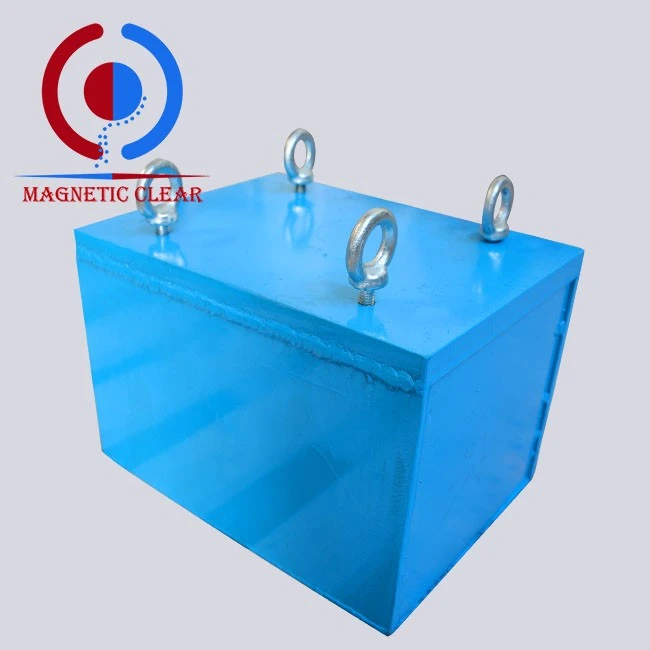
The magnets are then encapsulated within a stainless steel casing, typically SS304 or SS316, which provides corrosion resistance, durability, and hygiene. Stainless steel is especially important for industries such as food and pharmaceuticals, where regulatory standards for product contact must be met.
After encapsulation, the surface of the plate is polished to a smooth finish. This reduces product buildup during operation and makes cleaning easier. Some designs incorporate quick-clean mechanisms that allow operators to remove trapped contaminants more efficiently.
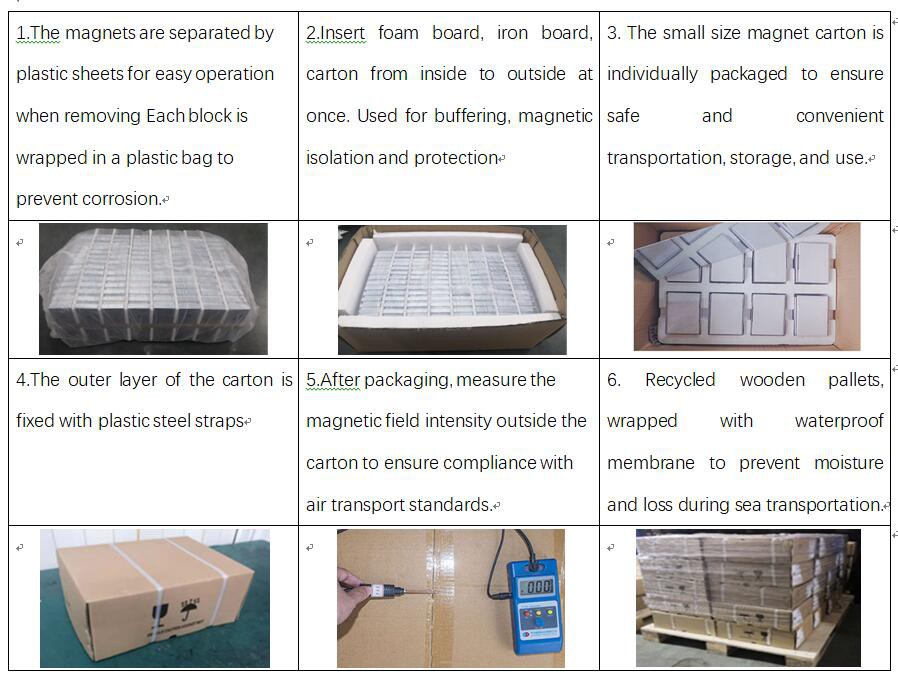
Finally, each plate magnets undergoes rigorous testing, including magnetic field strength measurement, pull force checks, and durability assessments, to ensure consistent performance and reliability.